Many people pause when writing “bingeing” or “binging.” Both versions appear online, both are used in published writing, and that creates uncertainty. It becomes even more confusing in phrases like binge watching, binge eating, or binge drinking, where one spelling may look more natural than the other.
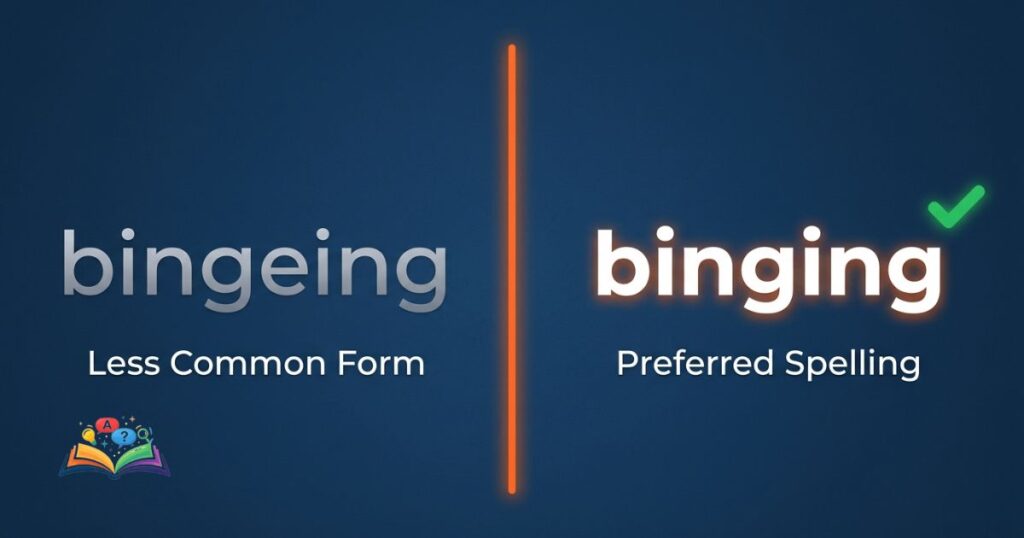
The simple answer is that both spellings are correct, but “binging” is the preferred modern spelling. “Bingeing” is accepted, yet it appears less often because the extra e makes the word look awkward to many readers.
This kind of spelling confusion is common in English. Similar mix-ups happen with word pairs like role and roll or stationary and stationery, where a small spelling change creates hesitation. Once the spelling pattern behind bingeing vs binging is clear, choosing the right form becomes simple.
The Quick Answer On Bingeing Or Binging
If you are deciding between bingeing and binging, the best choice is binging.
Both are correct, but “binging” is more widely preferred in modern English.
For example:
- Correct: We were binging that new series all weekend.
- Also Correct: We were bingeing that new series all weekend.
While both forms are accepted, “binging” looks cleaner and is far more common in everyday writing, especially in digital content, media, and informal communication.
English spelling often shifts toward simpler forms over time. That is one reason binging has become more popular, just as many people need clarification with confusing forms like parenthesis and parentheses.
Why “Bingeing” And “Binging” Confuse So Many Writers
The confusion comes from a familiar English spelling rule.
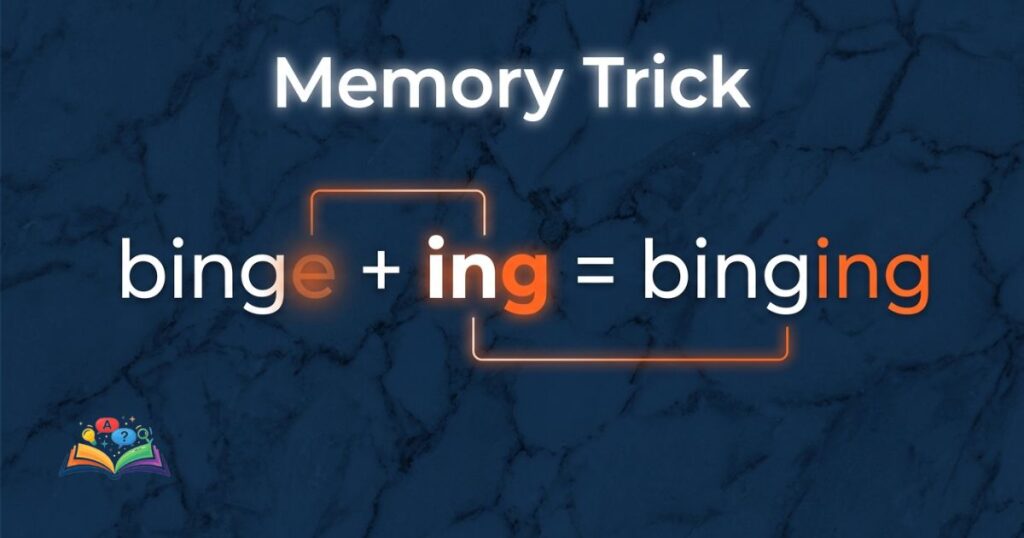
Normally, when a verb ends in -e, that e is dropped before adding -ing:
- make → making
- drive → driving
- write → writing
Following that pattern, binge becomes binging.
So why does bingeing exist?
Because some writers keep the e to preserve the soft g sound in binge. Without the e, some assume the word may be pronounced differently, even though that is not actually the case.
That same uncertainty appears in many spelling issues where words look right in more than one form, such as roster or roaster. One extra letter changes the appearance, even when pronunciation stays clear.
In short, “bingeing” exists because some writers preserve the original base word, but “binging” follows the standard grammar pattern, which is why it is more common.
How “Bingeing” And “Binging” Look In Real Sentences
Looking at examples makes the difference easier to spot.
Everyday Examples With “Binging”
These examples use the preferred modern spelling:
- They were binging old sitcoms all night.
- She spent the weekend binging crime documentaries.
- He admitted to binging on junk food during the holidays.
- Many viewers are binging entire seasons in one day.
This spelling feels natural because it follows the usual verb pattern.
Less Common Examples With “Bingeing”
These are also correct, but less common:
- They were bingeing old sitcoms all night.
- She has been bingeing reality shows lately.
- He stopped bingeing on sugary snacks.
The meaning is identical, but the extra “e” makes the spelling look heavier, so many writers avoid it.
Writers often hesitate over spellings that look awkward, even when they are technically acceptable. That happens with confusing word pairs like peel and peal, where visual similarity causes mistakes.
Why “Binging” Has Become The Preferred Spelling
Language tends to favor forms that are shorter and easier to read.
That is exactly what happened here.
“Binging” became the preferred spelling because it matches standard verb rules and looks simpler.
The version “bingeing” is still valid, but the retained e makes the word appear less natural. Over time, readers and writers leaned toward the cleaner form.
This preference is especially obvious in:
- online articles
- entertainment blogs
- social media posts
- everyday messaging
The same movement toward simpler usage appears in many spelling clarifications, including griefing or grieving and waisted or wasted, where small spelling details can change what feels standard.
Modern English usually rewards simplicity, and binging fits that trend.
Final Clarity On Bingeing Or Binging
The correct answer is straightforward:
Both “bingeing” and “binging” are correct, but “binging” is the preferred spelling.
Use binging when you want the version that:
- matches modern usage
- follows the usual -e + ing rule
- looks more natural to readers
Use bingeing only if you prefer the less common alternative spelling.
English spelling is full of choices like this, and many of them create unnecessary confusion. That is why guides on common English mistakes explained simply are helpful for spotting patterns and avoiding hesitation in everyday writing.
Once you know the pattern, binging is the easiest and safest choice.
Common Questions About Bingeing Or Binging
Is It Spelled Bingeing Or Binging?
Both spellings are correct, but binging is more common and preferred in modern English.
Is “Bingeing” Wrong?
No, bingeing is not wrong. It is an accepted spelling, but it is used less often than binging.
Which Spelling Is More Common In The UK?
In UK usage, binging is also generally more common, though bingeing still appears in some publications.
Why Does “Bingeing” Still Exist?
Some writers keep the e to preserve the original form of binge, even though binging follows the standard grammar rule.
For more spelling comparisons, examples like Mondays or Monday’s show how small changes in form often create major confusion.