The spelling “wisk” often appears in recipe instructions and search queries, but it is not the correct form. The right spelling is “whisk.” Because both versions sound the same when spoken, the missing h is a frequent mistake in everyday writing.
This kind of spelling confusion is common in English, especially when pronunciation does not clearly match the written form. A single missing letter may seem minor, but it changes the correctness of the word and can reduce the quality of your writing. Understanding the correct spelling of “whisk”, why “wisk” appears so often, and how the word is used in real sentences makes it easier to avoid the mistake.
The Correct Spelling Is Whisk, Not Wisk
The correct spelling is “whisk.”
“Wisk” is incorrect in standard English and is treated as a misspelling.
The word “whisk” is used:
- as a verb, meaning to beat or mix quickly
- as a noun, meaning the kitchen tool used for mixing
- in expressions like “whisk away,” meaning to move quickly
Examples:
- Whisk the eggs until fluffy.
- Use a whisk to blend the sauce.
- She whisked the papers off the desk.
Although “wisk” appears in casual writing, “whisk” is the only accepted spelling.
Why “Wisk” Looks Right But Is Still Wrong
The confusion comes from pronunciation. In speech, “whisk” sounds almost identical to “wisk,” so many people write the word based on sound instead of spelling.
This pattern appears in many English words where pronunciation leads to spelling mistakes. Words like opening and openning create similar confusion because the spoken form does not reveal the correct written structure.
The Silent “H” Creates The Mistake
The h in “whisk” is easy to overlook because it is not strongly pronounced.
When people rely on sound, “wisk” feels logical even though it is wrong.
English often includes letters that are lightly pronounced or silent, which is why spelling mistakes happen even with familiar words.
Fast Typing Reinforces The Error
Typing habits also make the error more common.
When writing quickly, extra letters are often skipped, especially letters that do not seem necessary by sound. That is one reason people type “wisk” instead of “whisk.”
The same kind of error happens when letters are wrongly added, such as in prove or proove, where the incorrect version looks believable but is still wrong.
How “Whisk” Is Used In Daily Writing
The word “whisk” is used in both literal and figurative ways.
In Cooking Instructions
In recipes, “whisk” means to mix ingredients rapidly, usually with a whisking tool.
Examples:
- Whisk the cream until smooth.
- Whisk the eggs before adding sugar.
- Use a wire whisk for the batter.
This is the most common use of the word.
In Expressions Like “Whisk Away”
The word can also mean to move something quickly.
Examples:
- The waiter whisked away the plates.
- She was whisked away after the meeting.
This figurative use is common in both speech and writing.
A Simple Way To Remember The Correct Spelling
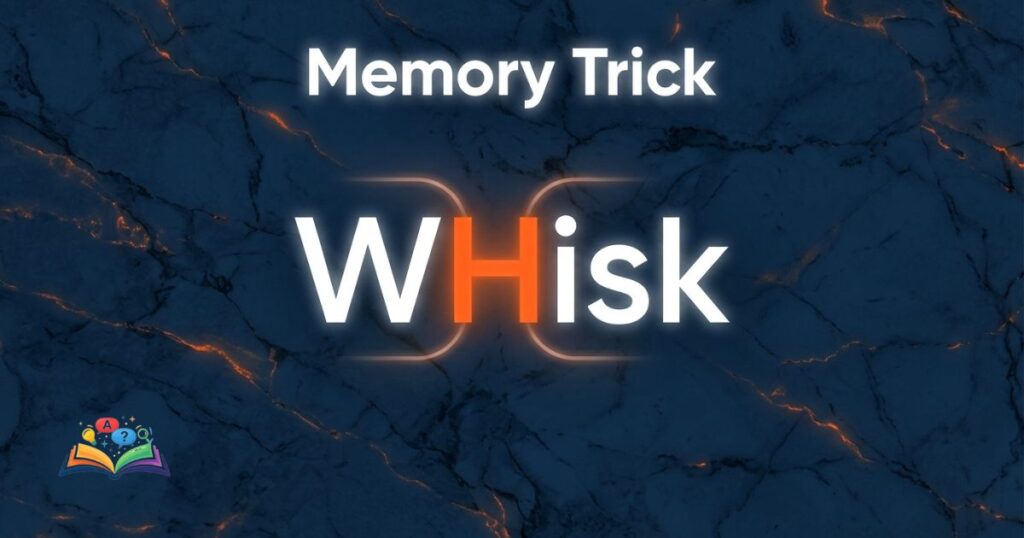
A practical way to remember the spelling is to connect “whisk” with the kitchen tool.
Whenever recipes say:
- whisk the eggs
- whisk the mixture
- whisk until smooth
the spelling always includes h.
Seeing the correct form repeatedly helps fix it in memory, especially with words that are commonly misspelled because of pronunciation. Another example is echoes or echos, where one spelling seems simpler but is not standard.
Why Using “Wisk” Weakens Your Writing
Using “wisk” instead of “whisk” creates a visible spelling error.
In recipes, blogs, or professional writing, that kind of mistake can:
- distract the reader
- reduce trust in the content
- make the writing look unpolished
Many spelling mistakes happen because the incorrect word looks reasonable at first glance. The confusion between bearable or bareable follows the same pattern.
Correct spelling improves clarity, readability, and credibility.
For a broader list of these patterns, see this guide to common English mistakes explained simply.
Final Clarity On Wisk Or Whisk
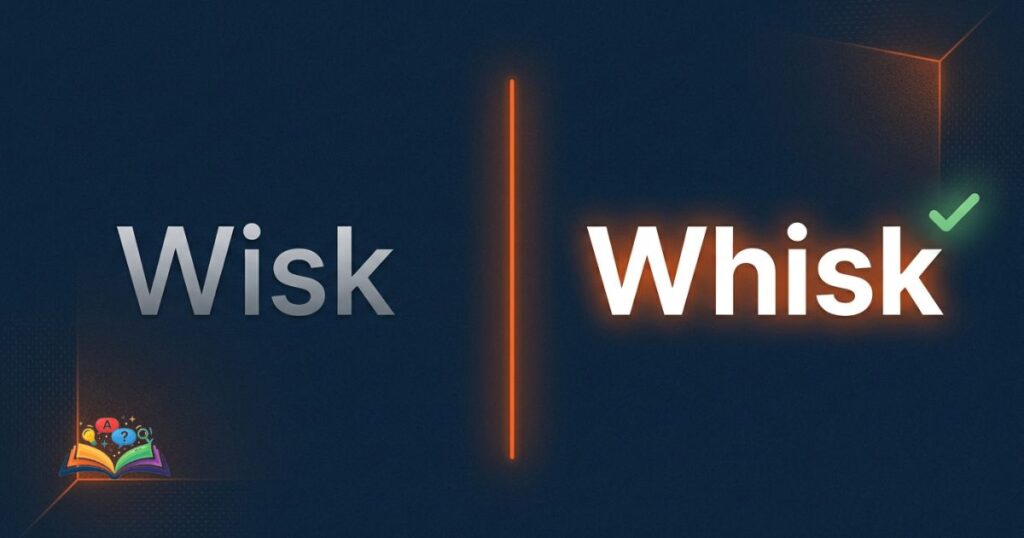
“Whisk” is the correct spelling.
“Wisk” is a misspelling caused mainly by pronunciation and fast typing habits. Whether the word is used for mixing ingredients or in phrases like “whisk away,” the spelling does not change.
Keep this in mind:
- Whisk = correct
- Wisk = incorrect
Remembering the h is the key to getting it right.
Common Questions About Wisk And Whisk
Is “Wisk” Ever Correct?
No. “Wisk” is not accepted as a correct English spelling.
The correct form is always “whisk.”
Is It “Wisk Away” Or “Whisk Away”?
The correct phrase is “whisk away.”
Example:
- The assistant whisked away the documents.
Why Is The H Included In “Whisk”?
The h is part of the standard spelling of the word, even though it is lightly pronounced.
That silent letter is what causes the confusion.