Menu terminology at a Japanese restaurant can confuse even frequent diners. The fundamental distinction between sushi or sashimi comes down to a single ingredient: vinegared rice. People often assume both words mean “raw fish,” but that definition is technically incorrect.
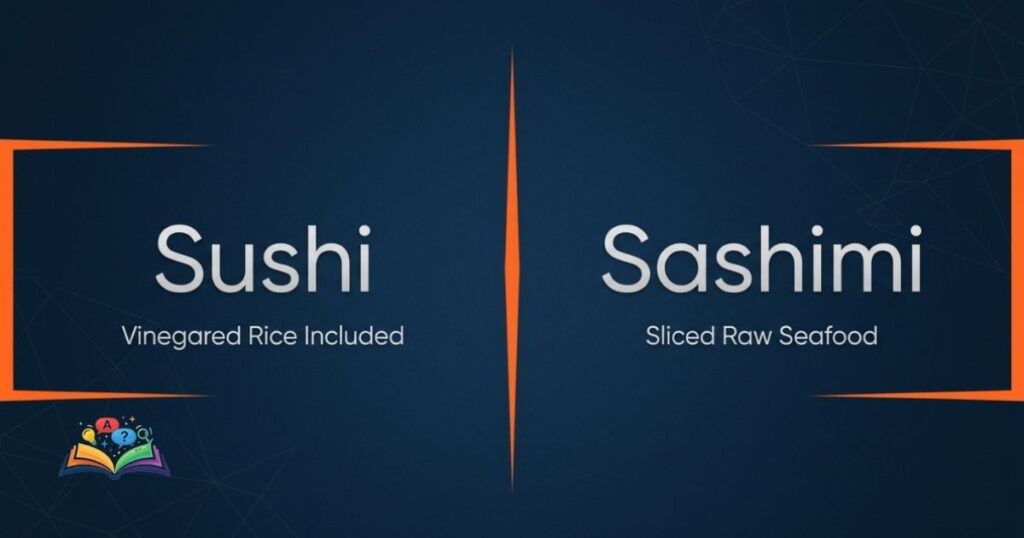
Sushi refers to any dish made with seasoned, vinegared rice. It can feature raw fish, cooked seafood, or just vegetables. Sashimi refers exclusively to premium, thinly sliced raw meat or fish served entirely on its own. This guide breaks down the menu differences, explains health and safety standards, and answers common dining questions.
Why Vinegared Rice Defines Your Sushi Or Sashimi Order
The word “sushi” actually translates to “sour tasting” in Japanese. This refers to the traditional preparation of the rice, which is seasoned with rice vinegar, salt, and sugar. The fish is essentially a garnish for the rice. Grasping this basic culinary concept helps you master understanding the difference between related terms across all types of global cuisine.
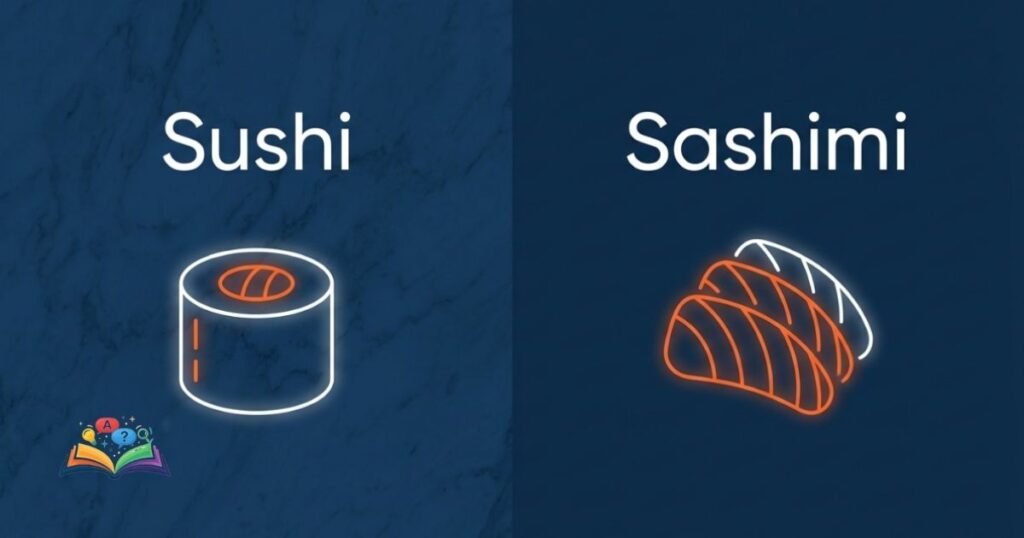
If you order sashimi, you receive slices of raw fish arranged elegantly on a plate. It might come with a side of daikon radish or shiso leaves, but there is absolutely no rice involved. For fans of Japanese noodles who frequently compare udon or soba, distinguishing sushi from sashimi is just as essential for ordering the right meal.
Comparing Nigiri And Maki Rolls Against Traditional Sushi Or Sashimi
Japanese menus group items by preparation style and specific ingredients. Review the subsections below to see how specific rolls and pressed rice portions fit into the broader seafood categories.
What Are The Four Types Of Sushi?
While menus look massive, sushi generally falls into four main categories:
- Nigiri: A hand-pressed mound of vinegared rice draped with a single slice of seafood.
- Maki: Seafood and rice rolled inside a sheet of dried seaweed (nori).
- Uramaki: An inside-out roll where the rice is on the outside and the seaweed wraps the inner fillings.
- Temaki: A cone-shaped hand roll made of seaweed, stuffed with rice and various fillings.
Differentiating an inside-out roll from a traditional roll takes a keen eye, much like telling a cockroach or beetle apart at first glance.
Is Sashimi Just Sushi Without Rice?
No, sashimi is a completely separate culinary category. Because sushi requires vinegared rice to actually be considered sushi, removing the rice means it no longer fits the definition. Sashimi focuses entirely on the pristine flavor, texture, and quality of the raw fish itself.
Nutritional Value And Weight Loss Potential Of Sushi Or Sashimi
Diners focused on macronutrients often debate the health benefits of sushi versus sashimi. Because sashimi lacks rice, it is significantly lower in carbohydrates and calories, making it a favorite for low-carb diets.
| Dish Type | Carbohydrates | Protein Content | Calorie Density |
| Sashimi | Zero carbs | Extremely high | Low |
| Nigiri | Moderate carbs | High | Moderate |
| Maki Rolls | High carbs | Moderate to High | High (if fried or sauced) |
If you want a cozy night under your duvet or comforter watching movies, ordering a heavy tempura sushi roll will spike your blood sugar more than a light sashimi platter. For a sweet treat afterward, choosing a light macaron or macaroon keeps your overall meal calories in check.
Food Safety Protocols For Raw Sushi Or Sashimi Grade Fish
Eating raw seafood requires strict food safety protocols to prevent parasitic infections. Fish meant for raw consumption must be labeled “sushi-grade” or “sashimi-grade.” This means commercial fishing operations flash-freeze the fish at extremely low temperatures immediately after catching it.
This industrial freezing process kills harmful parasites. Much like maintaining heavy equipment such as an axle or axel to ensure farm safety, commercial boats rely on heavy-duty machinery to ensure food safety.
If you play games as a tiller or rancher in Stardew Valley managing digital crops, you know that quality control is everything. The same applies to the seafood supply chain. Only trust reputable restaurants that follow strict FDA freezing guidelines for raw fish.
Final Clarity On Sushi Or Sashimi
The easiest way to remember the difference is to focus on the carbohydrates. Sushi brings the seasoned rice, while sashimi brings only the sliced raw protein. Both require expert knife skills and incredibly fresh ingredients. From sweet comparisons like cacao or cocoa to tea drinks like boba or bubble tea, food terminology dictates your dining experience. Knowing exactly what you are ordering ensures you get the meal you actually want.
Common Questions About Sushi Or Sashimi
Does Sushi Or Sashimi Come With Rice?
Sushi always comes with rice, as vinegared rice is the defining ingredient of the dish. Sashimi never comes with rice. It is served strictly as sliced raw meat or fish.
Is Sushi Or Sashimi Completely Raw?
Sashimi is almost exclusively raw, though some variations like octopus might be boiled. Sushi can be completely raw, partially cooked, or fully cooked. Popular cooked sushi ingredients include eel (unagi), crab sticks (surimi), and shrimp tempura.
How Often Do Japanese People Actually Eat Sushi?
In Japan, sushi is generally treated as a special occasion meal rather than an everyday staple. The average person in Japan might eat it a few times a month. Everyday meals at home usually consist of cooked fish, rice, miso soup, and vegetables.
How Many Pieces Of Sushi Are Safe To Eat?
Healthy adults can safely eat two to three rolls (about 12 to 18 pieces) per week. The main health concern is mercury content in large predatory fish like tuna. Sticking to lower-mercury options like salmon, shrimp, and eel allows you to safely consume sushi more frequently.
Can You Eat Grocery Store Salmon As Sashimi?
You should not eat standard grocery store salmon raw unless the label explicitly states it is “sushi-grade” or “sashimi-grade.” Standard salmon is not flash-frozen at the necessary temperatures required to kill parasites, making it unsafe for raw consumption.