If you are trying to write a heartfelt card or text message to your grandmother, choosing between nana and nanna can feel confusing. Getting family titles right matters because no one wants to misspell a loved one’s nickname. The good news is that both versions exist, but their correctness depends heavily on where you live or your family heritage.
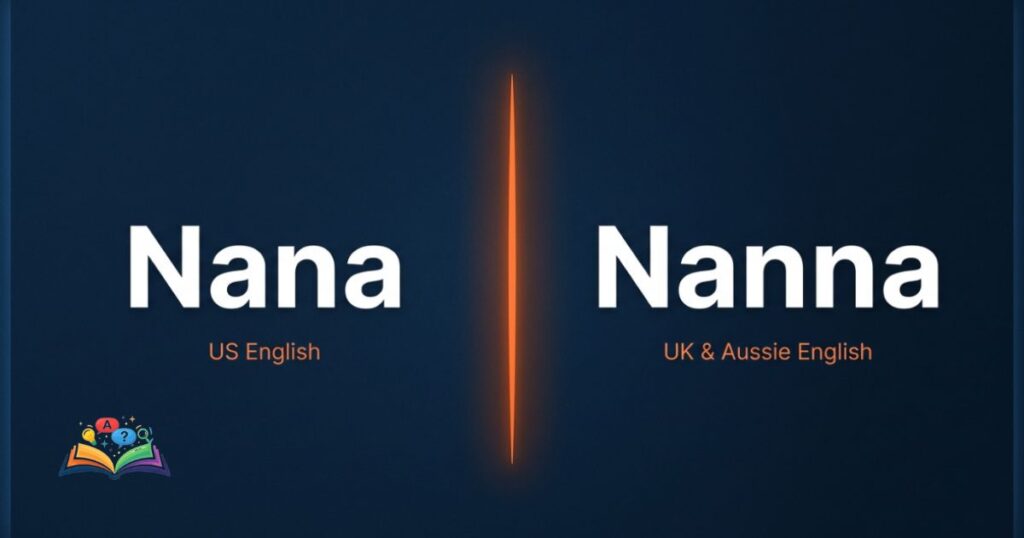
In the United States, nana is the dominant spelling used by millions of families. Other English speaking countries tend to favor the double consonant variation. This guide breaks down the regional rules, dictionary definitions, and unique cultural exceptions so you can choose the perfect option for your family.
Understanding minor spelling shifts is a common challenge in the English language, much like figuring out if you should write lily or lilly when discussing flowers or names. Let’s look at what the official linguistic authorities say about this specific grandmother nickname.
The Oxford Dictionary Definition and Linguistic Roots of Nanna or Nanna
Language authorities trace both terms back to child speech patterns, where reduplication (repeating the same syllable) helps babies learn to talk. The Oxford English Dictionary recognizes both variations as informal terms for a grandmother or an elderly woman. Historically, the term emerged as a affectionate short form, separate from other classic titles like grandmother or grandmother.
The roots of the word are deeply tied to nursery language, where soft consonants like “n” are the easiest for infants to pronounce. Over time, these baby terms solidified into official dictionary entries. While they share the same affectionate origin, regional publishing standards eventually split the spelling down geographic lines.
Global Breakdown: Deciding Between Nana or Nanna by Country
Geographic location is the biggest factor in determining which spelling looks natural on paper. Different parts of the English speaking world have strong preferences that can confuse travelers or international families. Read through the regional breakdowns below to see which version aligns with your specific location.
The Prevalence of Nanna in the UK and Ireland
In the United Kingdom and Ireland, the double “n” variation reigns supreme. British English writers consistently favor nanna, and seeing it spelled with only three letters often looks incomplete to readers in England, Scotland, or Wales. If you are writing to a grandmother with British roots, adding that extra consonant is usually the safest bet.
Australian and New Zealand Preferences for Nanna vs. Nana
Aussie and Kiwi families lean heavily toward the British style, making nanna the standard choice across Oceania. Newspapers, books, and greeting cards in Australia and New Zealand regularly utilize the double consonant version. While the single “n” variant appears occasionally due to American media influence, it remains the secondary choice.
Why Americans Overwhelmingly Choose the Nana Spelling
In the United States, nana is the undisputed champion. American English naturally strips away unnecessary double consonants across many vocabulary words, and this nickname is no exception. If you grow up in America, you will almost exclusively see the three letter version on Mother’s Day cards and personalized family gifts.
Cultural Anomalies: When Nanna or Nana Means Father Instead of Grandma
While Western countries associate this word with grandmothers, global languages offer some fascinating surprises. The exact same spelling can shift meanings entirely depending on the cultural lens you use. Explore the subsections below to see how other languages flip the script on this common term.
The Italian Tradition of Nonna vs. the English Nanna
Italian American families often use the word nonna, which is the official Italian word for grandmother. It is incredibly easy to confuse the English nanna with the Italian nonna because they sound remarkably similar to the untrained ear. However, mixing up these vowels changes the cultural context completely, so keep your heritage in mind when writing it down.
Understanding Nana or Nanna as Father in Telugu Language Contexts
In Telugu, a Dravidian language spoken by millions of people in India, the word nanna means father. This creates a striking contrast with English, where the term represents a female matriarch. For Telugu speaking households in the US, the word carries a masculine, paternal respect that differs entirely from standard American usage.
Navigating the Phonetic Differences and Regional Pronunciation of Nana or Nanna
The way you say this word often depends on your regional accent rather than the spelling on the page. In the United States, the pronunciation typically uses a short “a” sound, making it rhyme with the words “banana” or “manna.” The emphasis sits squarely on the first syllable, creating a crisp, recognizable title.
In parts of Great Britain and Australia, the pronunciation can soften slightly, sometimes sounding closer to “nah-nah” with a broader vowel sound. Interestingly, this phonetic variation does not always dictate how the word is written. Whether you use a short American vowel or a longer British tone, the spelling rule remains tied to your physical location rather than your vocal accent.
Decoding Family Dialects: Shifting From Nanna or Nana to Nanny and Grandma
Family titles exist on a wide spectrum, and households often cycle through different names as children grow older. Some families transition from using a baby friendly nickname to using formal terms, while others prefer variations like nanny. This evolution is common in English, similar to how people swap terms when discussing a doggy or doggie depending on context.
The table below highlights how grandmother names sit alongside other common English language variations that families frequently navigate:
| Formal Standard | American Favorite | British/Aussie Choice | Common Alternative |
| Grandmother | Nana | Nanna | Nanny / Gran |
| Mother | Mom | Mum | Mommy / Mam |
| Grandfather | Grandpa | Grandad | Pop / Poppy |
Choosing between these options is a matter of personal comfort and family tradition. There is no linguistic law forcing you to use one over the other, but tracking your family’s historical preferences helps maintain a sense of shared identity across generations.
Traditional Versus Modern Nuances of Choosing Nanna or Nana as a Rare Moniker
Modern parents and grandparents are increasingly looking for unique nicknames that feel fresh rather than old fashioned. While some traditionalists view nana as a classic, older title, a new generation of American grandmothers is reclaiming it as a chic, youthful alternative to grandma. It strikes a balance between warmth and modernity.
At the same time, choosing the double “n” spelling in the United States can make the title feel like a rare, distinctive moniker. It stands out in a sea of standard American spellings, giving a nod to international flair or ancestral roots. Deciding on a spelling variant is an easy way to personalize a title, much like choosing between extravert or extrovert when defining a personality trait.
Final Clarity On Nanna or Nana Family Naming Conventions
When you are ready to print a family photo album or buy a personalized gift, let geography and personal heritage guide your pen. If you are operating in the United States, sticking with nana will align with local printing standards and everyday reading habits. If your family has deep roots in the UK, Ireland, or Australia, utilizing nanna honors those specific regional traditions.
Ultimately, family nicknames transcend rigid dictionary rules. The most important factor is consistency within your own household so your loved one knows the title belongs to them. For more insights into navigating tricky English variations, explore our comprehensive guide on commonly confused words to keep your writing sharp.
Common Questions About Nanna or Nana Spelling and Usage
Is It Nana or Nanna in the UK and Australia?
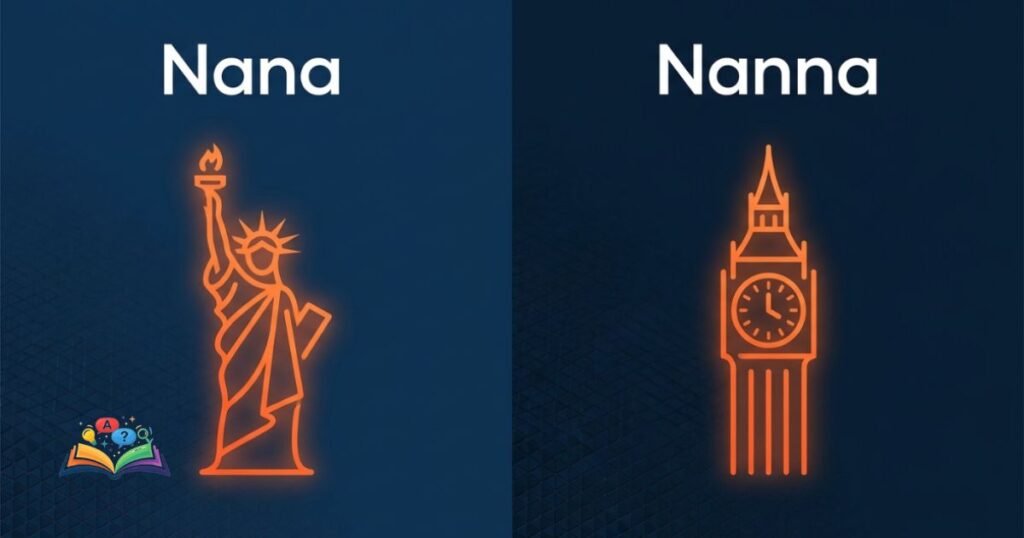
In both the United Kingdom and Australia, the standard, widely accepted spelling is nanna. While the single “n” version is understood due to American media, the double consonant form is the traditional choice for publishing, greeting cards, and formal writing in those nations.
Does Nanna Mean Grandma Globally or Does It Have Other Meanings?
While it primarily means grandmother in English speaking countries, it can mean father in languages like Telugu. Additionally, in some cultures, it is used as a generic respectful term for any elderly woman, regardless of whether she has a direct blood relation to the speaker.
Do Americans Ever Use the Nanna Spelling Variation?
Americans rarely use the double “n” variation unless they are intentionally trying to honor British or Australian family heritage. In standard American writing and commerce, the three letter spelling is the default option used across the country.
Is Nanna Considered a Rare Name in Modern English?
As a legal first name, it is relatively rare in the modern era, though it saw historic popularity in Scandinavia. However, as an informal family nickname for a grandmother, it remains incredibly common and popular across the globe.
Should It Be Spelled Nana or Nanna for a Father?
If you are writing in the Telugu language context where the word means father, it is traditionally romanized as nanna. For English language contexts, the word is strictly a female grandmother title, and alternative terms are used for paternal figures.