If you have ever typed “mom or mum” into Google, you are probably trying to figure out which spelling is actually correct. The short answer is simple: both are correct, but they belong to different types of English. Americans usually say and write “mom,” while British, Australian, and several other English-speaking countries prefer “mum.”
This difference is similar to other American and British English variations, such as while vs whilst usage differences or math vs maths in different countries. The word changes based on regional language habits, not grammar rules.
Understanding when to use “mom” or “mum” matters in writing, conversation, school assignments, and even online content. This guide explains where each word comes from, which countries use them, how pronunciation changes, and why both forms are considered correct.
Why “Mom” And “Mum” Exist In Different Types Of English
“Mom” and “mum” both come from the word “mother.” Over time, English-speaking regions developed their own pronunciation and spelling preferences. American English settled on “mom,” while British English mostly kept “mum.”
This pattern happens often in English. Regional variations shape spelling, pronunciation, and vocabulary across countries. You can also see this in spelled vs spelt differences and dove vs dived verb usage.
The key point is this:
| Region | Common Word |
| United States | Mom |
| United Kingdom | Mum |
| Australia | Mum |
| New Zealand | Mum |
| Ireland | Mum |
| Canada | Mostly Mom |
Neither word is more grammatically correct than the other.
Which Countries Use Mom And Which Use Mum
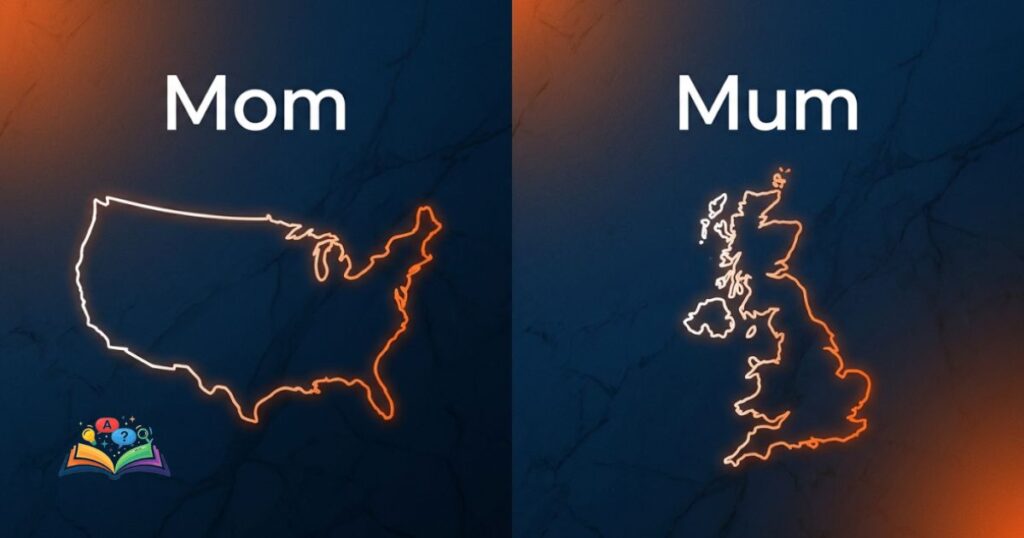
The choice between “mom” and “mum” usually depends on geography and language history. English-speaking countries developed their own standards long before the internet connected everyone.
Here is a quick country-by-country comparison.
| Country | Preferred Word |
| United States | Mom |
| Canada | Mom |
| United Kingdom | Mum |
| Australia | Mum |
| New Zealand | Mum |
| South Africa | Mum |
| Ireland | Mum |
In the US, children grow up saying “mom” naturally. In Britain, “mum” sounds normal and familiar. Neither version sounds wrong inside its own region.
Some parts of England, especially Birmingham and the Black Country, still use “mom.” That regional variation often surprises people outside the UK.
If you enjoy comparing regional English, you may also like this guide on criterion vs criteria usage.
Mom Vs Mum Pronunciation In American And British English
Pronunciation plays a major role in why these spellings developed differently. Americans pronounce “mom” with an open “ah” sound, while British speakers pronounce “mum” with a shorter “uh” sound.
Here is the basic pronunciation difference:
| Word | Common Pronunciation |
| Mom | “Mahm” |
| Mum | “Muhm” |
Example sentences:
- “My mom is calling me.”
- “My mum is making tea.”
Even when the meaning stays identical, the vowel sound changes across accents.
This is similar to pronunciation-based spelling differences seen in shrank vs shrunk verb forms and other regional English patterns.
Why Some British Regions Say “Mom” Instead Of “Mum”
Many people assume everyone in the UK says “mum,” but that is not completely true. Certain regions in England, especially Birmingham and nearby areas, traditionally use “mom.”
The reason comes from local dialect history. In some Midlands accents, the vowel sound naturally shifted closer to “mom” than “mum.”
For example:
- Birmingham English: “Me mom said dinner’s ready.”
- Standard British English: “My mum said dinner’s ready.”
This regional variation explains why some British people spell the word “mom” even though British English usually prefers “mum.”
Mom, Mum, Mommy, Mumsy, And Mother Compared
English has several informal and formal ways to refer to a mother. Some sound affectionate, while others sound more serious or old-fashioned.
Here is a simple comparison table:
| Word | Tone | Common Region |
| Mom | Casual | United States |
| Mum | Casual | UK, Australia |
| Mommy | Childlike | United States |
| Mummy | Childlike | UK |
| Mother | Formal | Worldwide |
| Mumsy | Old-fashioned | Rare |
Example usage:
- “Mom, can you help me?”
- “Mum, where are my shoes?”
- “Mother, I need your signature.”
Online culture has also changed how younger generations use “mother.” In some internet slang, it no longer refers to an actual parent.
For more word usage comparisons, check this guide on disorganized vs unorganized meaning differences.
Which Came First: Mum Or Mom?
“Mum” appeared earlier in British English history, while “mom” became common later in American English.
Both words came from shortened forms of “mother,” which children naturally simplified while speaking. Linguists call these early family words “nursery forms” because babies tend to repeat soft sounds like “ma,” “mum,” and “mama.”
Over time:
- Britain standardized “mum”
- America standardized “mom”
So technically, “mum” existed earlier in English records, but both words developed from the same root.
Why People Search “Mom Or Mum Which Is Correct”
People often search this phrase because they see different spellings online, in movies, books, or social media posts. The confusion usually comes from mixing American and British English content.
Here is the direct answer:
- “Mom” is correct in American English.
- “Mum” is correct in British English.
The spelling should match your audience and writing style.
For example:
| Audience | Better Choice |
| American readers | Mom |
| British readers | Mum |
| Australian readers | Mum |
This is the same type of regional spelling issue seen in master’s or masters apostrophe rules and other English usage debates.
When To Use Mom Or Mum In Writing And Conversation
Choosing the correct version depends on context, audience, and location. In the US, using “mum” may sound overly British. In the UK, using “mom” can sound Americanized unless the speaker comes from a region like Birmingham.
Use “mom” when:
- Writing for US readers
- Creating American English content
- Quoting American speakers
Use “mum” when:
- Writing for British readers
- Using Australian English
- Quoting British speakers
Correct examples:
- “My mom drove me to school.”
- “Her mum works in London.”
Incorrect regional matching:
- “My mum lives in Texas.”
- “My mom lives in Manchester.”
These are not grammatically wrong, but they may sound unnatural to local readers.
For broader English usage topics, see this collection of correct word usage guides.
Is “Mum” Short For “Mom” Or A Separate Word?
“Mum” is not short for “mom.” Both words developed separately from “mother.”
Children naturally shorten words while speaking, which created forms like:
- Mama
- Mom
- Mum
- Mommy
- Mummy
These shortened forms evolved differently depending on accent and regional pronunciation.
So although “mom” and “mum” look similar, one did not directly come from the other.
Why Gen Z Sometimes Says “Mother” Online
On social media, Gen Z sometimes uses “mother” as slang to describe a powerful, stylish, or influential woman.
For example:
- “She is mother.”
- “That singer totally served mother energy.”
In this context, “mother” does not literally mean a parent. Instead, it signals admiration or authority.
This internet slang is completely separate from the normal “mom” vs “mum” language difference.
Common Mistakes When Using Mom And Mum Across English Variants
Writers often mix American and British English accidentally. That creates inconsistency in articles, essays, subtitles, and marketing content.
Common mistakes include:
| Mistake | Better Option |
| Mixing “mom” and “mum” in one article | Pick one regional style |
| Using British spelling with American grammar | Keep the style consistent |
| Assuming one version is wrong | Both are correct regionally |
Another common issue is confusing “mum” with the separate English word meaning “silent.”
Example:
- “Keep mum about the surprise.”
In this sentence, “mum” does not mean “mother.”
Maintaining consistency matters in professional writing, just like with will vs would grammar choices.
Final Clarity On Mom Or Mum
“Mom” and “mum” are both correct spellings for “mother,” but they belong to different English-speaking regions. Americans typically use “mom,” while British and Australian English prefer “mum.”
The best choice depends entirely on your audience. If you write for US readers, use “mom.” If your audience is British or Australian, use “mum.”
Neither word is more proper, smarter, or more grammatical than the other. They simply reflect how English changed across countries over time.
Common Questions About Mom Or Mum
Is It Mum Or Mom In The UK?
Most people in the UK say “mum,” although some regions like Birmingham also use “mom.”
Is It Mom Or Mum In The USA?
Americans almost always use “mom.”
Why Do Some People Say Mom Instead Of Mum?
Regional pronunciation differences caused certain countries, especially the United States, to adopt “mom.”
What Countries Say Mom Instead Of Mum?
The United States and most of Canada commonly use “mom.”
Is “Mom” Or “Mum” More Common Worldwide?
“Mum” is more common globally because many English-speaking countries outside the US use it.
Do Canadians Say Mom Or Mum?
Most Canadians say “mom,” although some British influence still appears in certain regions.
Why Do British People Say “Me Mum”?
Some British dialects replace “my” with “me” in casual speech.
Can Americans Say “Mum”?
Yes, but it may sound British to other Americans.
Do Australians Say Mom Or Mum?
Australians almost always say “mum.”
What Is The Correct Spelling: Mom Or Mum?
Both are correct. “Mom” fits American English, while “mum” fits British and Australian English.