
Choosing whether to select credit or debit at a retail checkout terminal or how to record a transaction in business books causes constant confusion. Consumers frequently mix up the practical functions of these payment instruments, while students and professionals grapple with ledger rules. Understanding fundamental definitions ensures proper financial execution and improves everyday spending decisions.
Mastering these differences prevents costly banking errors. Whether evaluating language precision such as correct word usage rules, or deciding how words like while or whilst function, clarity remains essential. Financial vocabulary and accounting entries demand the same exact attention to detail.
Evaluating the Practical Functions of Credit or Debit in Daily Spending
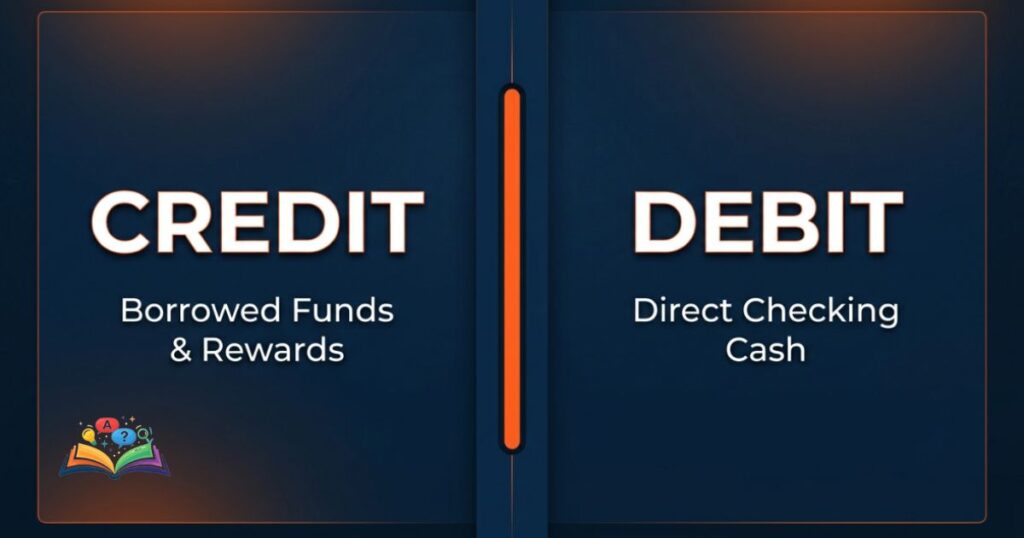
A credit transaction borrows funds from a bank up to a designated limit, whereas a debit transaction withdraws available cash directly from checking accounts. Selecting credit typically triggers fraud protections and rewards, while choosing debit draws immediate cash without creating revolving debt or monthly interest charges.
When evaluating banking options, consumers must weigh convenience against long term financial safety. Just as speakers analyze will or would choices in formal writing, shoppers should evaluate purchase methods carefully. Retailers process both card types through similar terminals, but the underlying money source differs entirely. Debit cards utilize money the user already possesses, while credit cards represent a short term loan from a financial institution.
Analyzing Ledger Entries When Recording Credit or Debit in Accounting
Accounting rules reverse typical banking assumptions. In double entry bookkeeping, a credit increases liability, equity, or revenue accounts, while a debit increases asset or expense accounts. This system mirrors how businesses balance books. For instance, determining whether a transaction involves sell or sale dynamics impacts asset tracking.
Proper bookkeeping requires maintaining distinct records for cash inflows and outflows. When analyzing financial reports, precision matters just as much as distinguishing farther or further in written communication. Accountants rely on strict debit and credit entries to ensure financial statements balance accurately at the end of every fiscal period. Organizing disorganized or unorganized records early prevents major auditing complications later.
Identifying Security Threats and Vulnerabilities Linked to Credit or Debit Usage
Card fraud threatens both consumer accounts and merchant systems. Skimming devices at gas pumps, online data breaches, and unauthorized card abuse target payment credentials daily. Federal consumer protection laws limit liability for stolen credit cards significantly faster than for debit cards. When funds vanish from a checking account due to fraud, waiting for bank investigations causes severe cash flow disruptions.
Consumers must monitor account activity constantly, ensuring that monetary transactions match actual purchases. Ensuring clear distinctions in financial terms prevents administrative errors, much like choosing payed or paid correctly in business contracts. Setting up instant transaction alerts provides an extra layer of defense against unauthorized account access.
Safeguarding Financial Assets During International Travel Involving Credit or Debit
Traveling abroad requires careful consideration of payment tools to avoid foreign transaction fees and blocked accounts. Credit cards offer superior emergency support, lost card replacements, and comprehensive travel insurance. Debit cards allow ATM cash withdrawals in local currency, but they expose primary checking accounts directly to foreign skimming risks.
Travelers must notify banks before departure to prevent security flags. Evaluating fiscal tools for overseas trips resembles sorting quantitative or qualitative data for a research project. Maintaining proper account security guarantees peace of mind while crossing borders, ensuring that unexpected expenses do not ruin a trip.
Choosing Optimal Payment Strategies Between Credit or Debit Alternatives
Selecting the right card depends on specific financial goals and purchase types. Routine grocery shopping or utility bill payments work well with debit cards if monthly budgets remain tight. Large purchases, electronics, and travel bookings benefit from credit cards due to extended warranties and chargeback protections.
Balancing these choices prevents unnecessary debt accumulation. People often compare various language options, such as math or maths, but financial choices carry direct monetary consequences. Establishing clear budgeting habits keeps personal finances stable over the long term, preventing impulsive spending sprees.
Achieving Strategic Financial Balance Using Credit or Debit Tools
Building a sound financial foundation requires intentional management of cash reserves and lines of credit. Maintaining a strict budget ensures that credit card balances get paid in full each month, avoiding high interest rates. Meanwhile, keeping a healthy checking account balance protects against overdraft fees.
Evaluating assets and liabilities properly demands high attention to detail, akin to checking criteria or criterion standards for business evaluations. Strategic management of monetary instruments leads to long term financial health and stability, ensuring that personal wealth grows steadily over time.
Common Questions About Credit or Debit in Banking and Accounting
- What is the main difference between credit and debit cards? Credit cards borrow money from a bank up to a limit, while debit cards withdraw money directly from a personal checking account.
- Does debit mean money goes in or out? In banking, a debit transaction removes money from an account. In accounting, a debit increases asset accounts and decreases liability accounts.
- How do debits and credits work in double entry bookkeeping? Every transaction requires equal debits and credits. Debits increase assets and expenses, while credits increase liabilities, equity, and revenue.
- Is it better to select credit or debit at a retail store? Selecting credit often provides better fraud protection and rewards, while selecting debit avoids creating debt and can prevent transaction fees.
- Do debit cards offer the same fraud protection as credit cards? Credit cards generally offer stronger federal liability protections against fraudulent charges compared to standard debit cards linked to checking accounts.